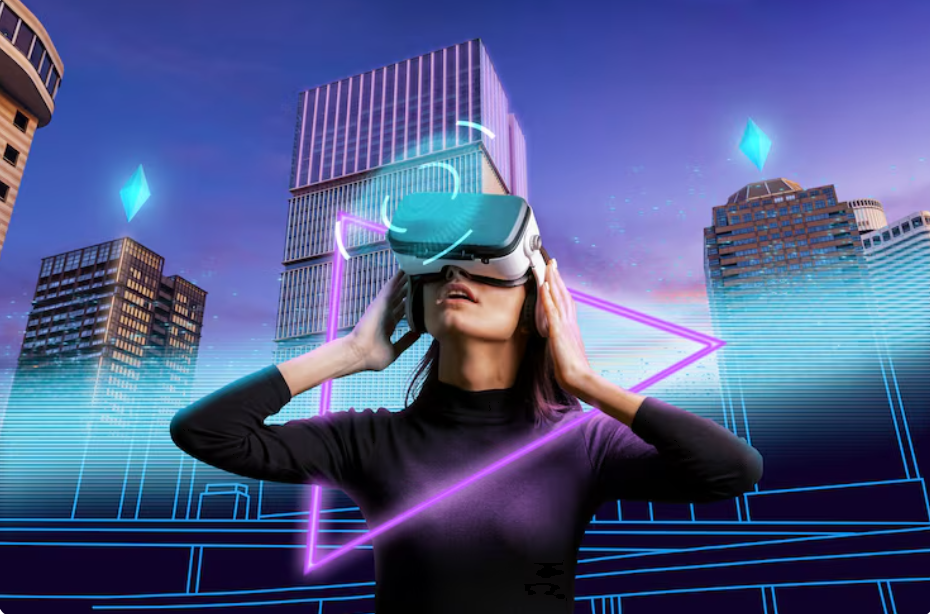
Introduction to Virtual Reality
Virtual Reality is an advanced digital technology that creates immersive computer generated environments where users can interact with simulated surroundings. By using devices such as VR headsets, sensors, and controllers, individuals can experience a sense of presence in a virtual space. Virtual Reality has moved beyond science fiction and gaming to become a practical tool in many areas of real life. Its ability to simulate realistic experiences has made it a powerful innovation in the modern digital era.
Evolution of Virtual Reality
The concept of Virtual Reality has existed for several decades, but early versions were limited by high costs and low computing power. Initial systems were bulky and offered basic visual experiences. With advancements in graphics, processing power, and motion tracking, Virtual Reality has become more refined and accessible. Modern VR systems provide high resolution visuals, realistic sound, and responsive interactions. This evolution has allowed Virtual Reality to expand into mainstream applications across multiple industries.
Virtual Reality in Entertainment
Entertainment is one of the most popular fields where Virtual Reality has made a strong impact. Video games using Virtual Reality offer immersive gameplay that places users directly inside the game environment. Beyond gaming, Virtual Reality is used in virtual concerts, movies, and interactive storytelling. Users can explore fictional worlds or attend live events from their homes. This level of engagement has transformed how people experience entertainment and has opened new creative possibilities for content creators.
Role of Virtual Reality in Education
Virtual Reality has become a valuable educational tool by providing interactive and experiential learning opportunities. Students can explore historical landmarks, conduct virtual science experiments, or practice complex skills in a safe environment. Virtual Reality helps learners understand difficult concepts through visualization and hands on interaction. It also supports remote education by offering virtual classrooms and simulations. Teachers benefit by making lessons more engaging and adaptable to different learning styles.
Applications in Healthcare
The healthcare industry has adopted Virtual Reality for training, treatment, and patient care. Medical students use Virtual Reality simulations to practice procedures without risk. Doctors apply VR tools for surgical planning and skill development. Virtual Reality is also used in therapy to help patients manage pain, anxiety, and phobias. Rehabilitation programs use VR exercises to support physical recovery. These applications improve accuracy, safety, and overall patient outcomes.
Virtual Reality in Business and Industry
Businesses use Virtual Reality to enhance productivity, training, and customer experiences. Employees can receive virtual training for complex tasks, reducing errors and costs. Virtual Reality supports product design by allowing teams to visualize and test prototypes before production. In real estate and retail, customers can explore properties or products virtually. Virtual Reality also improves collaboration by enabling virtual meetings and shared workspaces, especially for remote teams.
Social and Cultural Influence
Virtual Reality is shaping social interactions and cultural experiences. Social VR platforms allow people to meet, communicate, and collaborate in shared virtual environments. These spaces support virtual communities, events, and creative expression. Museums and cultural institutions use Virtual Reality to preserve history and provide virtual tours. While Virtual Reality promotes connection and creativity, it also raises concerns about overuse and social isolation, highlighting the need for balanced usage.
Future Potential of Virtual Reality
The future of Virtual Reality is filled with possibilities as technology continues to advance. Improvements in hardware, software, and connectivity will make VR more affordable and realistic. Integration with artificial intelligence and other emerging technologies will enhance personalization and interactivity. Virtual Reality is expected to play a key role in fields such as architecture, tourism, education, and smart workplaces. As adoption grows, ethical considerations and user well being will become increasingly important.
Conclusion
Virtual Reality is a transformative technology that is reshaping how people learn, work, and experience the world. Its real life applications extend far beyond entertainment into education, healthcare, business, and culture. As Virtual Reality continues to evolve, it offers innovative solutions to real world challenges while creating new forms of engagement and interaction. When used responsibly, Virtual Reality has the potential to enrich lives and redefine digital experiences in meaningful ways.