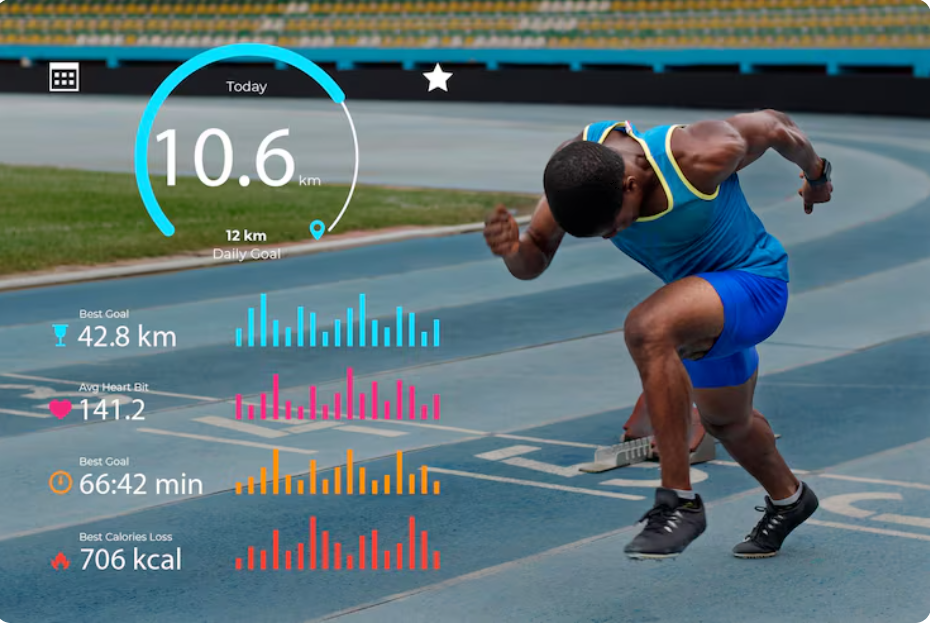
Data & Sports Analytics has revolutionized the way athletes, coaches, and teams approach performance, training, and competition. By leveraging data-driven insights, sports professionals can make informed decisions, optimize strategies, and enhance overall efficiency. Analytics allows teams to move beyond instinct-based approaches, providing measurable evidence to improve performance, reduce injuries, and gain a competitive edge. Understanding how data is collected, analyzed, and applied is essential for modern sports development.
The Role of Data in Sports
Data is the foundation of sports analytics, encompassing statistics from training sessions, games, and individual performances. This includes metrics such as speed, distance covered, heart rate, shot accuracy, and player positioning. By collecting and analyzing this data, coaches and analysts can identify trends, strengths, and weaknesses. The insights gained from data help teams make tactical adjustments, plan training regimens, and prepare athletes for upcoming competitions more effectively.
Performance Optimization
One of the primary benefits of data & sports analytics is performance optimization. Analytics enables coaches to track an athlete’s physical output and monitor fatigue levels, ensuring training intensity is appropriate. Adjustments can be made to avoid overtraining, improve conditioning, and enhance overall athletic ability. Data-driven performance monitoring helps athletes maximize their potential by identifying areas for improvement and providing objective feedback to guide development.
Injury Prevention and Risk Management
Data & sports analytics plays a vital role in injury prevention and risk management. By analyzing movement patterns, workload, and biomechanical data, teams can detect early signs of strain or overuse. Monitoring these metrics allows coaches to modify training plans, reduce high-risk activities, and implement targeted conditioning programs. Preventing injuries not only safeguards athletes’ health but also ensures consistent performance and reduces downtime caused by physical setbacks.
Tactical and Strategic Planning
Sports analytics is invaluable for tactical and strategic planning. Teams use data to study opponents, assess strengths and weaknesses, and develop game strategies. Video analysis, combined with statistical data, allows coaches to identify patterns in opponent behavior and exploit opportunities during competitions. Analytics supports decision-making at all levels, from player selection and formation planning to real-time adjustments during games.
Enhancing Team Coordination
Data & sports analytics also improves team coordination and communication. Metrics on player movements, passing patterns, and positioning provide insights that guide team strategies. By understanding the dynamics of teamwork and player interactions, coaches can develop systems that maximize efficiency and effectiveness. Enhanced coordination leads to better execution of plays, improved defensive and offensive strategies, and stronger overall team performance.
Fan Engagement and Broadcasting
Beyond performance, data & sports analytics has transformed fan engagement and sports broadcasting. Advanced statistics and real-time insights enhance the viewing experience, providing fans with a deeper understanding of player performance and game dynamics. Analytics-driven content allows broadcasters to highlight trends, create interactive visualizations, and engage audiences in innovative ways. This integration of data strengthens the connection between sports organizations and their fans.
Technology and Tools
The use of technology is central to effective sports analytics. Wearable devices, GPS trackers, motion capture systems, and specialized software collect and analyze data efficiently. Advanced algorithms process large volumes of information to deliver actionable insights. The combination of technology and analytics allows coaches and athletes to measure, evaluate, and optimize every aspect of performance with precision and accuracy.
Mental Performance and Analytics
Data & sports analytics is not limited to physical performance. Mental aspects of sports, such as focus, reaction time, and decision-making under pressure, can also be measured and improved using analytics tools. Tracking cognitive responses during practice and competition provides insights into mental readiness and stress management. Athletes can use this information to enhance concentration, resilience, and overall game intelligence.
Long-Term Impact
The long-term impact of data & sports analytics is significant. Teams that embrace analytics benefit from continuous performance improvement, reduced injury rates, and better strategic planning. Athletes gain a deeper understanding of their abilities and limitations, allowing for personalized training and sustained development. Over time, analytics fosters a culture of evidence-based decision-making, ensuring that performance and strategy remain consistently optimized.
Conclusion
Transforming performance and strategy with data & sports analytics is reshaping modern sports. By leveraging precise data, teams and athletes can optimize performance, prevent injuries, improve coordination, and make smarter strategic decisions. The integration of technology and analytics empowers coaches to plan effectively, athletes to train efficiently, and organizations to engage fans more meaningfully. Data & sports analytics demonstrates that informed decisions, backed by evidence, are key to achieving excellence in competitive sports.